

This page is part of the English restoration corpus. It keeps noindex during review and does not replace existing high-ID archive shells.
I. Performance Differences
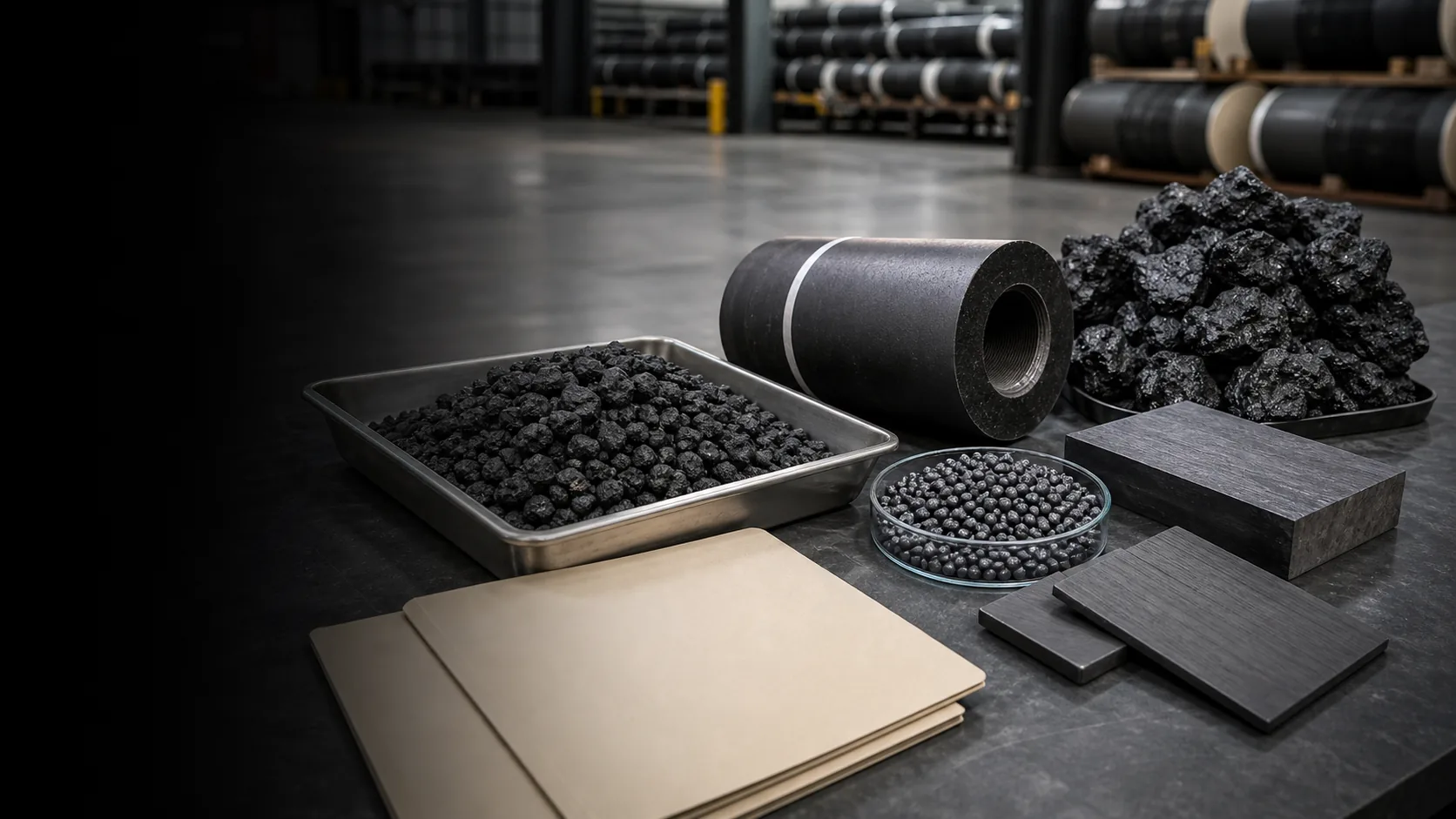
Graphite electrodes are primarily made from natural graphite, while carbon electrodes are mainly composed of coal coke and petroleum coke. Therefore, graphite electrodes exhibit superior performance in terms of high temperature resistance, conductivity, and thermal shock stability.
II. Usage Differences
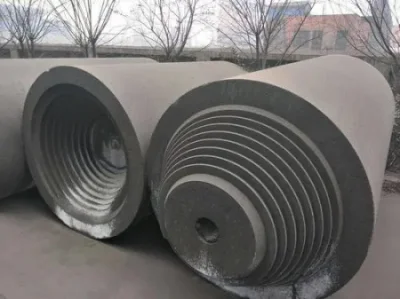
Graphite electrodes are mainly used in the smelting process of electrice arc furnaces and find applications in metallurgy, chemical, and glass industries. Carbon electrodes, on the other hand, are primarily used in the iron smelting process, where the temperature is not as high. Thus, compared to graphite electrodes, carbon electrodes have lower requirements for conductivity and high temperature resistance.
III. Price Differences
Due to lower raw material costs, carbon electrodes are relatively cheaper. Conversely, graphite electrodes have higher raw material costs and require high-temperature processing during production, resulting in higher prices.
IV. Differences in Lifespan
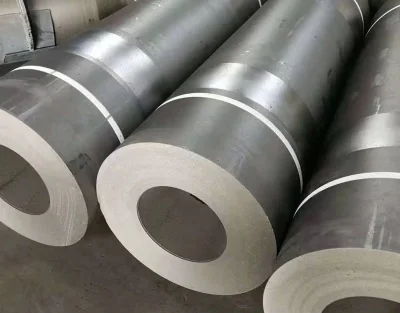
Graphite electrodes have a longer lifespan, lasting several months or even a year. Carbon electrodes, in contrast, have a shorter lifespan, typically lasting only a few days to a few weeks.
In conclusion, graphite electrodes and carbon electrodes differ significantly in performance, usage, price, and lifespan. Users should consider their production needs and economic capabilities when choosing suitable consumables. Follow us to learn more technical information about the graphite industry.
Procurement Context
Use archive content as a starting point for specification review
For current orders, please confirm product name, target specifications, quantity, packing, destination and application. Final quotation depends on available batch and order confirmation.