




【Metallurgical Casting】The Use of Recarburizers in EAF Melting of Gray Iron

Calcined petroleum coke, with its high carbon content, low sulfur, and low impurities, plays a vital role in modern manufacturing, especially in the aluminum and steel industries.
【Metallurgical Casting】The Use of Recarburizers in Electric Arc Furnace Melting of Gray Iron
In electric furnace melting of cast iron, the use of high scrap steel ratios combined with graphitized recarburizers has become increasingly common. However, different foundries make different choices regarding recarburizer quality. Some use highly graphitized recarburizers such as calcined petroleum coke and graphite scrap, while many factories still use coal-based recarburizers. The quality of a recarburizer mainly depends on its degree of graphitization. High-quality recarburizers generally contain more than 95–98% graphitic carbon, with sulfur content at 0.02–0.05% and nitrogen content at 100–200 PPM. In contrast, coal-based recarburizers usually contain 80–90% carbon, sulfur content above 0.5%, and nitrogen content ranging from 500–4000 PPM. These are considered the lowest-grade recarburizers. Petroleum coke that has not undergone high-temperature calcination, or has been insufficiently calcined, is relatively cheap, whereas premium recarburizers are significantly more expensive. Therefore, many factories still choose lower-cost products.
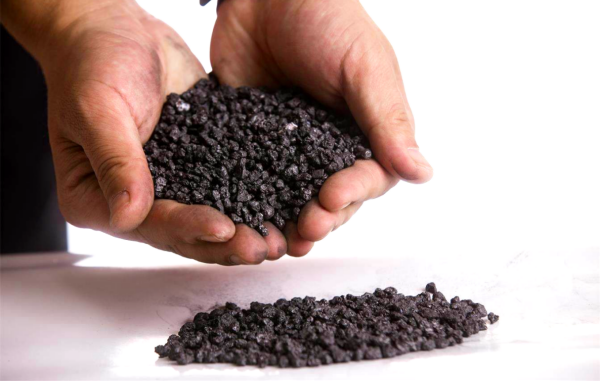
Many Chinese experts and scholars have repeatedly pointed out that recarburizer quality is the key factor in electric furnace melting of gray iron with high scrap steel ratios. However, cost considerations lead many factories to use the cheapest recarburizers available. Sometimes the results appear acceptable, with no obvious quality problems observed (possibly related to melting temperature, holding time, trace elements, and other factors in electric furnace operation). Yet in other cases, severe porosity defects appear. Recently, such quality issues were observed in a certain foundry. For ordinary gray cast iron with relatively high carbon and silicon content, porosity defects may not be obvious. However, in high-grade gray iron with lower carbon and silicon content, the defects become very apparent, resulting in severe casting porosity. In ductile iron castings, porosity defects are less obvious, likely because magnesium and rare earth elements provide strong degassing effects, although porosity defects still occasionally occur. The impact of low-grade recarburizers on ductile iron is believed to mainly stem from sulfur and other impurity contents, which affect graphite nodularity and may lead to abnormal matrix structures. Judging from the current situation at this factory, considering the total overall cost (including scrap losses), using low-grade recarburizers is clearly uneconomical.
The quality of recarburizers is generally difficult for ordinary factories to analyze, especially nitrogen content. The difference in graphitization degree between the best and worst recarburizers is quite obvious. A rough identification method is to write on white paper to see whether the marks are clear and whether the hand feel is smooth and comfortable (although nitrogen content remains unknown). Medium-grade products are generally petroleum coke recarburizers with calcination temperatures below 2700°C or insufficient calcination time, resulting in incomplete graphitization, higher sulfur content, and higher nitrogen content, yet they are still widely sold as high-quality recarburizers. In addition, fine graphite powder or coal powder generated from silicon carbide production or other manufacturing processes may be mixed with clay and compressed into granular graphite recarburizers. The quality of such products varies greatly and is difficult to distinguish. Therefore, standards and testing methods for these recarburizers should be established as soon as possible.
When using electric furnaces with high scrap steel ratios for gray iron or ductile iron melting, high-quality recarburizers must be used, such as graphitized petroleum coke. This material is produced under high-temperature, oxygen-free conditions in special electric furnaces, converting free carbon or amorphous carbon into graphite. If the treatment temperature reaches around 2700°C and sufficient processing time is ensured, the nitrogen and sulfur contents will remain very low. As we know, in gray iron melting, as scrap steel usage gradually increases, the nitrogen content in molten iron also gradually increases. Meanwhile, inoculant addition increases at tapping, and gas content rises accordingly. If poor-quality recarburizers with high nitrogen content are used at this stage, the combination of these factors further increases the gas content in molten iron. If even a small amount of hydrogen is present (the maximum hydrogen content is an order of magnitude lower than nitrogen), the risk of nitrogen porosity defects or crack-like gas holes becomes even more severe.
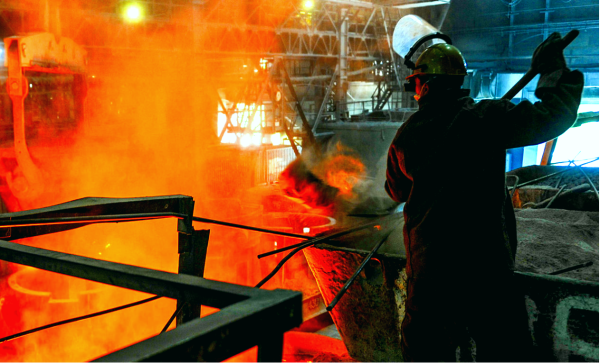
In electric furnace operation, recarburizers are generally added in 3–4 stages according to the calculated total addition amount. Most of the recarburizer is added together with the scrap steel charge, followed by gradual additions during the melting process. Additions should preferably be made when there is minimal slag on the molten metal surface, but a small portion should always be reserved (approximately corresponding to 0.1% carbon addition). Why reserve about 0.1%? Ms. Song from Deshigu mentioned at the Yangzhou conference that when the final recarburization exceeds 0.2%, coarse and oversized flake graphite may easily form. The remaining portion is added before tapping, which acts as a pretreatment to increase graphite nuclei in the molten iron, helping reduce abnormal graphite formation and increase graphite nodule count in ductile iron.
High-quality recarburizers added to a clean electric furnace molten bath can achieve absorption rates above 80%. If one-third of the high-temperature molten iron is poured out of the furnace first, then the recarburizer is added, followed by returning the molten iron into the furnace to create strong stirring, the absorption rate can reach 85–90%. Higher temperatures are generally required during this process because recarburization is an endothermic reaction.
When molten iron is severely oxidized, carbon absorption during recarburization decreases because carbon is consumed in reducing iron oxides and other metal oxides, resulting in relatively lower absorption efficiency.
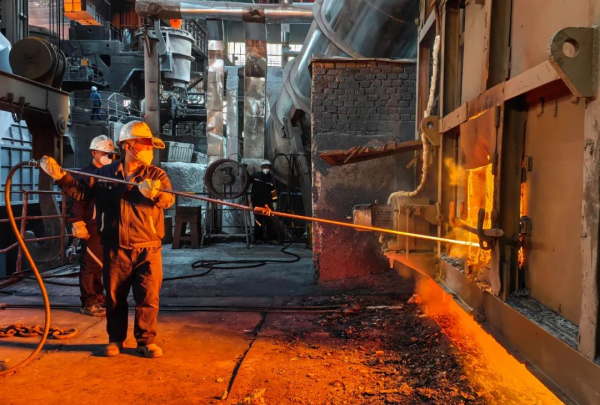
Adding a small amount of recarburizer during the final stage of melting (0.05–0.1%, and it must be a high-quality recarburizer — the later the addition stage, the better the recarburizer quality must be) is also referred to as molten iron pretreatment. This increases graphite nuclei. Once the recarburizer is absorbed at the molten bath surface, tapping should proceed as quickly as possible for subsequent treatment. If production issues delay tapping and holding time becomes prolonged, the graphite nucleus enhancement effect of pretreatment will gradually disappear. Timing is critical, much like seasoning and heat control in cooking — every aspect must be handled precisely to achieve the best pretreatment effect. Practical experience is required to master this process.
Recently, visits were made to two gray iron foundries using high scrap steel ratios with recarburizers for carbon compensation. Due to the use of coal-based recarburizers and petroleum coke recarburizers without high-temperature calcination, severe porosity defects appeared after machining and even on casting surfaces. After switching to high-temperature calcined graphitized petroleum coke recarburizers, the porosity problems were completely eliminated. Both companies are located in Qingdao, one in Ligezhuang, Jiaozhou, and the other in Xitie Village, Xifu Town.
The experience of more and more foundries producing electric furnace gray iron has proven that recarburizer quality is the key factor in melting gray iron with high scrap steel ratios.
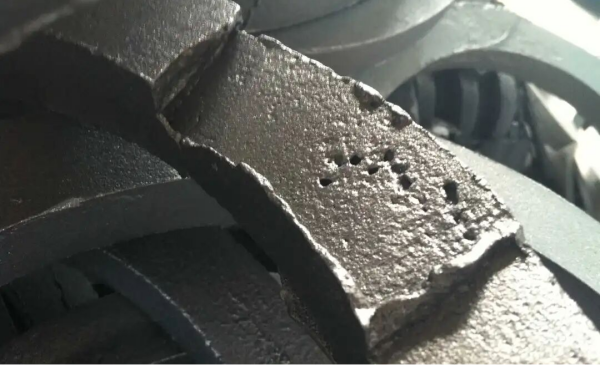
Over the past two years, visits to several foundries revealed that after large-scale porosity problems occurred due to the use of uncalcined petroleum coke recarburizers, some companies began switching to semi-graphitized petroleum coke recarburizers with medium nitrogen content. Their purpose was to utilize nitrogen to strengthen gray cast iron. Using 50% scrap steel charge ratios to produce HT250 brake drum gray iron with relatively high carbon content above 3.45%, they controlled nitrogen content near the critical threshold for porosity formation while also reducing costs. This differs from the previous conventional practice of using low-nitrogen graphitized recarburizers. This represents a new discovery and certainly has its own practical rationale.
Feel free to contact us anytime for more information about the Recarburizers market. Our team is dedicated to providing you with in-depth insights and customized assistance based on your needs. Whether you have questions about product specifications, market trends, or pricing, we are here to help.
No related results found




0 Replies