




【Carbon Technology】 Electrical Resistivity Out of Specification? A Complete Explanation ...

Graphitized petroleum coke is made from high-quality petroleum coke through high-temperature treatment above 2800°C. It has high carbon, low impurities, and low resistivity. It is mainly used in lithium-ion battery anodes, metallurgical carburizers, and various specialty graphite materials.
【Carbon Technology】 Electrical Resistivity Out of Specification? A Complete Explanation of Key Graphitization Defects!
What causes non-conforming electrical resistivity in graphitized products?
The non-conformity of electrical resistivity in graphitized products, in addition to being related to the quality of the raw materials used, is mainly due to the graphitization temperature failing to reach the required level. These products are not final waste; after proper process adjustments, they can still be corrected into qualified products.
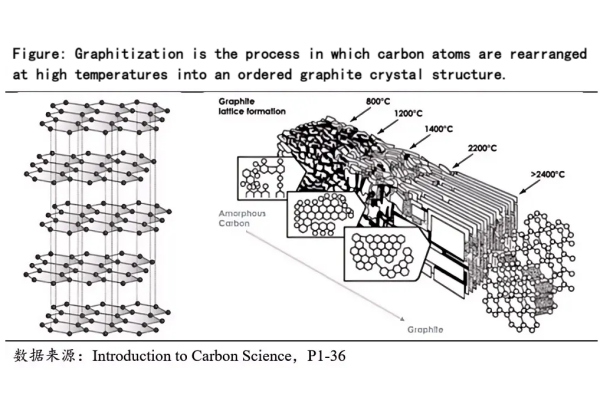
The main causes of non-conforming electrical resistivity in graphitized products include:
(1) The furnace core is too large, resulting in low current density and the furnace core failing to reach the required temperature.
(2) Excessive voltage drop in the external short network, connecting points, and other areas increases electrical losses, leading to low electrical efficiency of the graphitization furnace.
(3) The thickness of the insulation material does not meet process requirements; insulation layers on both sides and the top are too thin, resulting in poor insulation performance and large heat dissipation losses.
(4) The furnace body or power supply busbar is grounded, or there are leakage points in the graphitization furnace or transmission busbar, causing part of the electrical energy to be lost and the furnace temperature to be too low.
(5) The raw materials used to prepare the carbon block are not selected properly (e.g., poor graphitizability), and power input is not adjusted in time, causing the degree of graphitization to fail to meet requirements.
(6) Unreasonable furnace charging process or poor operating quality leads to uneven filling of resistance material, uneven furnace resistance, current deviation, locally low furnace core temperature, and non-conforming products in areas with low current density.
(7) An unreasonable power supply schedule: initial and ramp-up power is too low, and the energizing duration is too long. A large amount of electrical energy is consumed in thermal balancing, causing the furnace temperature to be too low.
(8) Excessive furnace core resistance prevents increasing input power; excessively low resistance prevents achieving the required energy input, causing a "dead furnace," both resulting in large quantities of non-conforming resistivity products.
(9) Excessive moisture in insulation materials and resistance materials leads to substantial electrical energy waste.
(10) Insufficient planned power input, or long power outages during energizing without corresponding power compensation.
Feel free to contact us anytime for more information about the Graphitized products market. Our team is dedicated to providing you with in-depth insights and customized assistance based on your needs. Whether you have questions about product specifications, market trends, or pricing, we are here to help.
No related results found




0 Replies