




【Overseas】What Impact Will the U.S.–Iran Conflict Have on the Graphite Electrode Market?

【Overseas】What Impact Will the U.S.–Iran Conflict Have on the Graphite Electrode Market?
The evolving situation of the U.S.–Iran conflict has generally produced a bearish impact on China's graphite electrode industry. From a short-term perspective, the impact is mainly reflected in two aspects: rising costs and shrinking demand.
PART 01. Rising Costs
Oil price fluctuations affect the entire industry chain
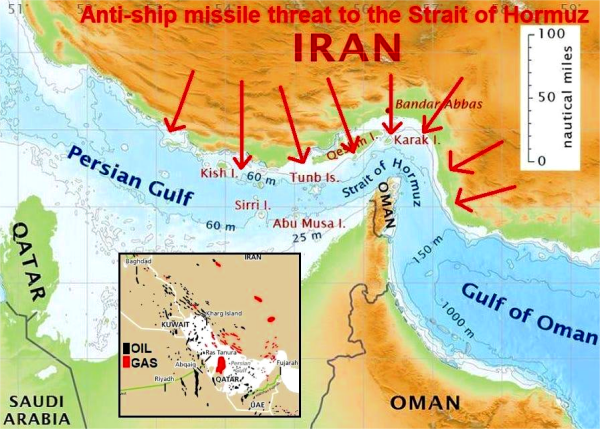
The Strait of Hormuz is a critical chokepoint for global oil transportation. Any blockade would directly tighten international crude oil supply, thereby pushing oil prices significantly higher. Petroleum coke, one of the key raw materials used in graphite electrode production, is closely linked to crude oil prices. As oil prices rise, the increase is quickly transmitted to the petroleum coke market, and higher raw material prices directly raise the production cost of graphite electrodes.
PART 02. Demand Contraction
Both graphite electrode and steel exports are affected
1. Graphite electrode exports disrupted
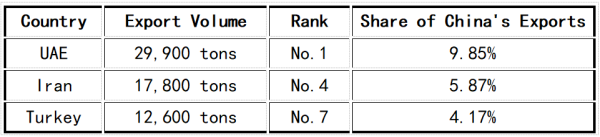
The Strait of Hormuz is an important maritime route for China's graphite electrode exports to Middle Eastern countries. According to export data for 2025, China exported 29,900 tons of graphite electrodes to the UAE, ranking No.1 among all export destinations and accounting for 9.85% of total exports. Exports to Iran reached 17,800 tons, ranking fourth and accounting for 5.87%, while exports to Turkey totaled 12,600 tons, ranking seventh with a share of 4.17%.
However, if the Strait of Hormuz were to be blocked, this previously stable demand from the region would be directly impacted.
According to the 2025 export data:
2. Declining terminal steel demand
The Middle East is not only an important export destination for China's graphite electrodes but also a major market for China's steel exports. Therefore, China's steel exports will inevitably be affected to some extent. The steel industry is one of the most important downstream application sectors for graphite electrodes. A contraction in steel demand will directly transmit to the graphite electrode market, reducing demand for electrodes. This chain reaction along the industrial supply chain further intensifies the decline in demand within China's graphite electrode market.
PART 03.
2026: Trade barriers intensify export difficulties
In 2026, graphite electrode exports are not only affected by the U.S.–Iran conflict but also face multiple trade barriers from other countries.
Japan has imposed anti-dumping duties of up to 95.2% on Chinese graphite electrodes. The Eurasian Economic Union has also imposed anti-dumping duties of up to 22.51%. The United States has set numerous barriers for Chinese graphite electrode exports. In addition to imposing 159.64% anti-dumping duties on small-diameter furnace graphite electrodes, on February 24 the LDGE Fair Trade Coalition in the U.S. filed an anti-dumping petition against all large-diameter graphite electrodes from China.
The scope of this investigation is extremely broad. Regardless of electrode length or whether the product is finished, it is considered a furnace graphite electrode as long as the nominal or actual diameter exceeds 425 mm (16.7 inches). The alleged dumping margin is as high as 146.41%. If the investigation is upheld, China's graphite electrode exports to the United States may face a situation of near-zero exports.
In 2026, China's graphite electrode exports are facing significant challenges. International market demand continues to shrink due to trade barriers and geopolitical factors, while export costs have increased substantially due to higher freight rates and anti-dumping duties. Under these circumstances, many graphite electrode manufacturers have had to redirect products originally intended for export to the domestic market.
Taking the Jiangsu market as an example:
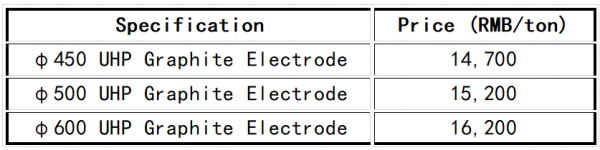
Market quotations before and after the Spring Festival remained generally stable.
However, the domestic market is also far from optimistic, as terminal demand shows signs of contraction. To cope with this situation, companies may need to adopt phased production cuts in the future to regulate market supply, avoid excessive competition that could further push prices down, stabilize market prices, and maintain the healthy development of the industry.
Feel free to contact us anytime for more information about the EAF Steel market. Our team is dedicated to providing you with in-depth insights and customized assistance based on your needs. Whether you have questions about product specifications, market trends, or pricing, we are here to help.
No related results found




0 Replies